From Trackside to Online: Transformations in Horse Racing Engagement Through Digital Betting Tools
Written by Ben Roth · Oct 31, 2026
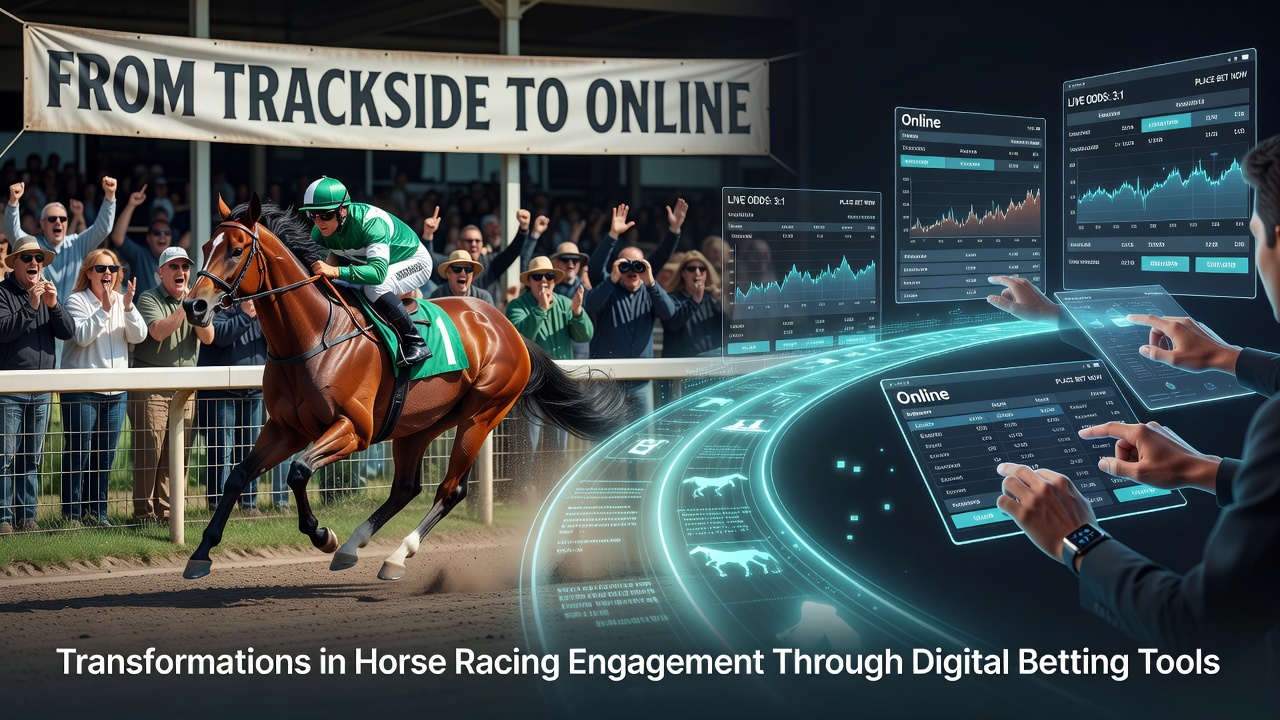
From Trackside to Online: Transformations in Horse Racing Engagement Through Digital Betting Tools
Observers have tracked a steady migration in how audiences interact with horse racing since the early 2000s, when track attendance began giving way to remote access through digital platforms that deliver real-time odds, live video feeds, and instant settlement of wagers. This shift accelerated as mobile networks improved and operators introduced apps capable of handling complex bets without requiring physical presence at the venue.
Early Digital Experiments and Platform Growth
Operators first tested online wagering systems in the late 1990s, yet adoption remained limited until broadband connections became widespread and regulatory frameworks in several jurisdictions clarified licensing for remote betting. Data from industry reports show that by 2010 many major racing circuits had partnered with technology providers to stream races and accept bets through dedicated websites. Those who followed these developments note that the combination of video and betting interfaces reduced barriers that once kept casual followers away from regular participation.
By the mid-2010s, smartphone penetration allowed companies to push notifications about upcoming races and changing odds directly to users, creating a continuous connection that trackside visits alone could not sustain. Research indicates that average session times on racing apps increased markedly once in-play betting features appeared, letting participants adjust stakes while horses moved down the stretch.
Live Streaming, Data Analytics, and User Tools
Modern platforms integrate multiple data streams that include past performance charts, jockey statistics, track conditions, and pace projections generated by algorithms. Users receive these overlays alongside the video feed, which means decisions that once required printed programs or conversations with track experts now occur through taps on a screen. One study released by the National Thoroughbred Racing Association in 2024 highlighted how these layered interfaces correlate with higher engagement metrics across both novice and experienced bettors.
Live streaming quality also improved after 2020, when several circuits upgraded camera systems and latency reduction technology. Viewers in distant regions can now watch races with minimal delay while placing bets through the same application. This integration has expanded the geographic reach of events such as the Breeders' Cup and the Melbourne Cup, drawing participants who previously followed results only through delayed newspaper reports.

October 2026 Developments and Market Statistics
As of October 2026, several operators reported continued growth in mobile handle for Thoroughbred and harness racing combined. Figures released by the American Gaming Association indicate that digital channels accounted for more than 60 percent of total wagering volume on major North American circuits during the previous fiscal year. Those who monitor these trends point to teh addition of cash-out options and micro-bet formats as factors that keep users active throughout race days rather than only at post time.
European markets show parallel patterns, though with different regulatory timelines. Data compiled by the European Gaming and Betting Association reveal rising use of virtual reality previews and augmented reality overlays that simulate trackside perspectives for remote users. These tools emerged after testing phases concluded in 2025 and now appear on select platforms serving French and Irish racing audiences.
Accessibility Features and Demographic Shifts
Digital tools have also altered participation demographics. Older audiences who once visited tracks regularly now use simplified tablet interfaces, while younger users discover racing through social media clips that link directly to betting accounts. Accessibility functions such as voice commands and high-contrast displays appear on most major apps, allowing broader engagement without requiring prior familiarity with racing terminology.
Payment integrations have likewise evolved. Secure digital wallets and instant bank transfers replaced many cash-based systems at tracks, reducing wait times and enabling smaller, more frequent transactions. Observers note that these changes support longer engagement periods because users do not need to leave their screens to manage funds.
Conclusion
The move from trackside to online environments reflects a broader pattern of digitization that continues to reshape how audiences experience horse racing. Platforms now combine video, data, and transaction functions in single applications that operate across time zones and devices. Statistics from multiple regions confirm sustained volume growth through these channels, while new interface features keep expanding the ways participants interact with each race. As technology and regulatory structures evolve further, the core activity of following and wagering on horse racing remains intact even as its delivery mechanisms adapt to digital realities.